
Solarpunk dreams
How could technology brings us back to nature and each other?

I have a long post on cyberpunk in the cooker, but before that, I want to talk about solarpunk as a vision for our future, and the paucity of solarpunk visions available for inspiring consumption. This post draws on some ideas in my book, Beyond Happy: How to rethink happiness and find fulfilment, but goes well beyond what I discuss therein.
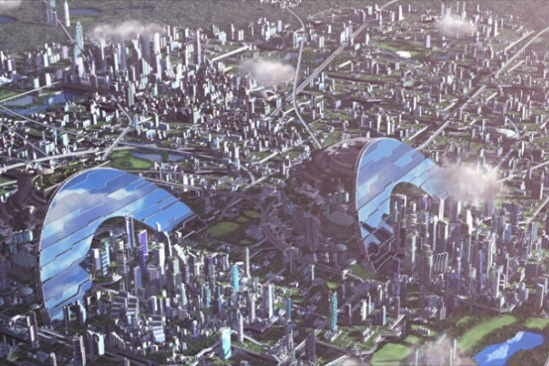
In cyberpunk dystopias, technological advances have separated us from nature and each other. From nature through the poisoning of the earth and the creation of synthetic life, or rather simulacrum, as in diminished version of - chemical protein farms, AI girlfriends, virtual reality. And from each other in the form of relentless capitalistic competition that undermines trust, solidarity, and care. Power is inevitably corporate, ensuring that ‘public’ policy, insofar as it exists, follows the whims of artificially long lived and invariably dark triad executives rather than the democratic will. The hero of cyberpunk dystopias is often a law enforcement officer who delivers a relatively pure form of justice, typically disobeying their corporate overlords in the process - Judge Dredd, Robocop, the bounty hunters of Cowboy Beebop, the police unit of Ghost in the Shell, the spec ops protagonist of Deus Ex, etc. Relying on such highly authoritarian symbols for justice is second best at best. In the purest forms of Cyberpunk, notably the lore of the tabletop roleplaying game Cyberpunk 2077, the heroes are literally punks, violently destroying corporate power without any thought for what to replace it with. 3rd best I’d say.
Solarpunk is the optimistic cousin of cyberpunk. Technology brings us closer to nature and facilitates reintegration. Solar power, obviously, buildings grown out of or at least built into trees and other natural formations, lots of blue spaces and animals living amongst humans. Power is democratic, often anarchist or syndicalist, and typically local. Symbolically, power is on a level comprehensible to its subjects, even in an intergalactic lore like Star Trek - the captain seems to be personally known to every individual member of the thousands-strong crew of a navy flagship.
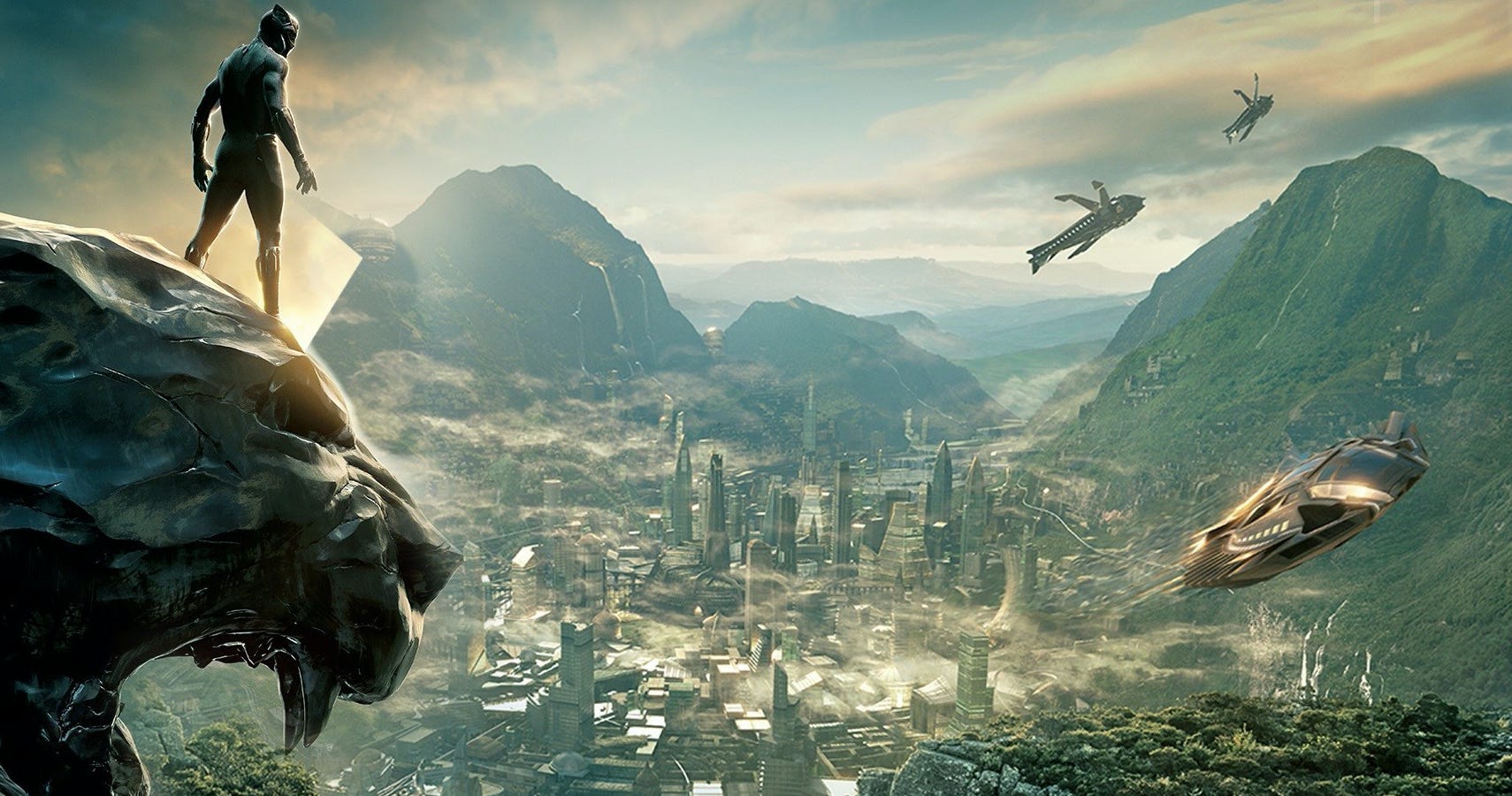
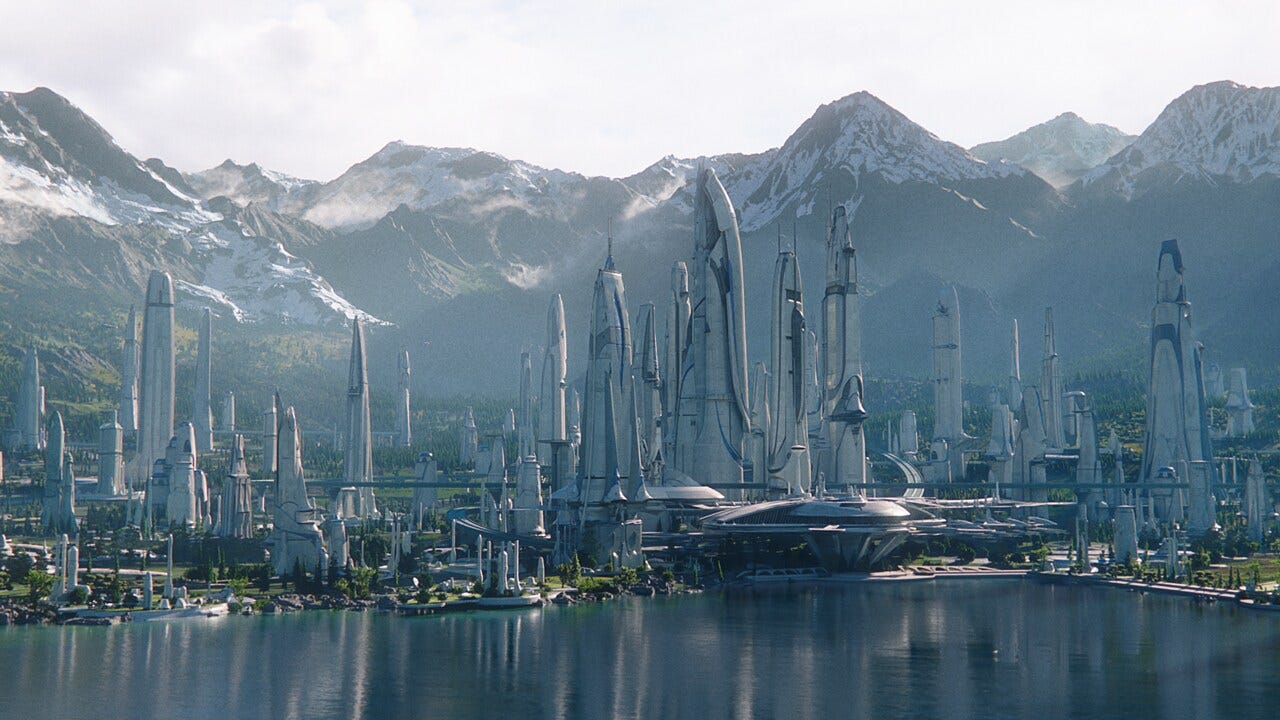
Sadly, there is little solarpunk art around. The movies of Studio Ghibli are sometimes Solarpunk in vibe, especially the Valley of the Wind in Nausica, and the protagonist’s kite. But the Valley is very low tech. Wakanda, home of the Black Panther, is perhaps the most richly realised Solarpunk environment we have in mass market popular culture, but it is literally a monarchy, so the punk bit is missing. Alderan in Star Wars is undoubtedly Solarpunk, but we barely know anything about it and it’s role in the plot is to be destroyed by the authoritarian Empire (and it is also a monarchy in some form - it is led by princess Leia). One of the only pure articulations of solarpunk I’ve seen recently is the Firelights Tree in Arcane, and there it is symbolically the last resistance against an authoritarian regime - not exactly hopeful.

![S1 spoilers] Calling it now, this place ain't surviving season 2 intact : r/ arcane](https://substackcdn.com/image/fetch/$s_!XTUl!,f_auto,q_auto:good,fl_progressive:steep/https%3A%2F%2Fsubstack-post-media.s3.amazonaws.com%2Fpublic%2Fimages%2Fe0d27dca-2df8-4b08-b12a-67dae7a5b563_2560x1251.jpeg "S1 spoilers] Calling it now, this place ain't surviving season 2 intact : r/ arcane")
I think we desperately need more solarpunk stories, art, fashion, mythology - more solarpunk creativity. We also need it to transcend three tropes that I think currently mar a lot of solarpunk thinking. These are:
1. Low tech: search solarpunk on Amazon bookstore or reddit forums and you’ll quickly come across fictive works that are characterised by technological regression. We get back in touch with nature by giving up technology. These authors are often inspired by the cottage core aesthetic, regenerative organic farming, and pagan or pantheistic spiritual beliefs. No shade on that, but I daresay that this isn’t solarpunk because there isn’t solar. A stray windfarm or some such doesn’t meet the need to symbolically explore the positive force that technology can be in our lives. These stories are basically anti-tech. We can usefully explore that theme, but I think we desperately need visions of how to use technology in ways that are compatible with organic aesthetics, regeneration, and pantheism. For example, using our extensive understanding of ecology to embed ecosystems into urban environments that produce food and are naturally regulated by predators and the like. People go foraging in London for blackberries in season - imagine if you could go to your local park and pick a cauliflower from the dirt for dinner or some plumbs off the tree for breakfast. One thing I’d love to solve technologically is a way to see the stars at night even when living in a city.
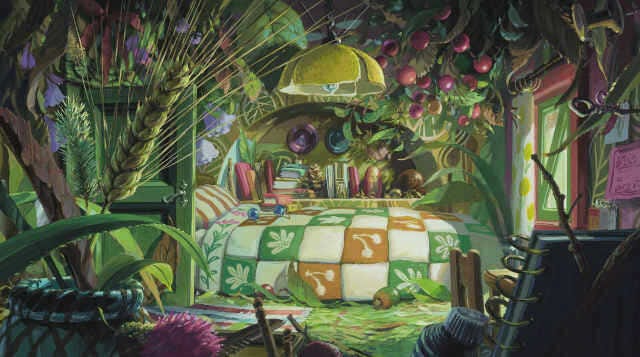
2. Magical: a lot of solarpunk art currently combines technological ideas with good old fashion magic. The Substitutes webcomic is a lovely example. I think this is an intersection worth exploring. The Shadowrun tabletop role playing (and more recently video) game setting is an often thought provoking and moving combination of fantasy and cyberpunk settings, so it is likely fruitful to explore a fusion of fantasy and solarpunk. What makes Shadowrun awesome at times is how technology often seems to repeat lessons previously taught through fantasy mythologies. For example, Dragons hoarding wealth without generating any value for others in fantasy settings is very similar to how kleptocrats use power extractively in our contemporary society. So in Shadowrun the world’s biggest power brokers are literally dragons come back to life and assuming human form. There are bright stories to tell at this intersection of fantasy and sci fi (as Star Wars demonstrated), and things like The Substitutes do this very well, typically by leaning (heavily) on the symbolic power of Elven and Halfling kingdoms. I mean, the shire from Lord of the Rings has basically the same vibe as the very solarpunk Aardehuizan eco village in the Netherlands:
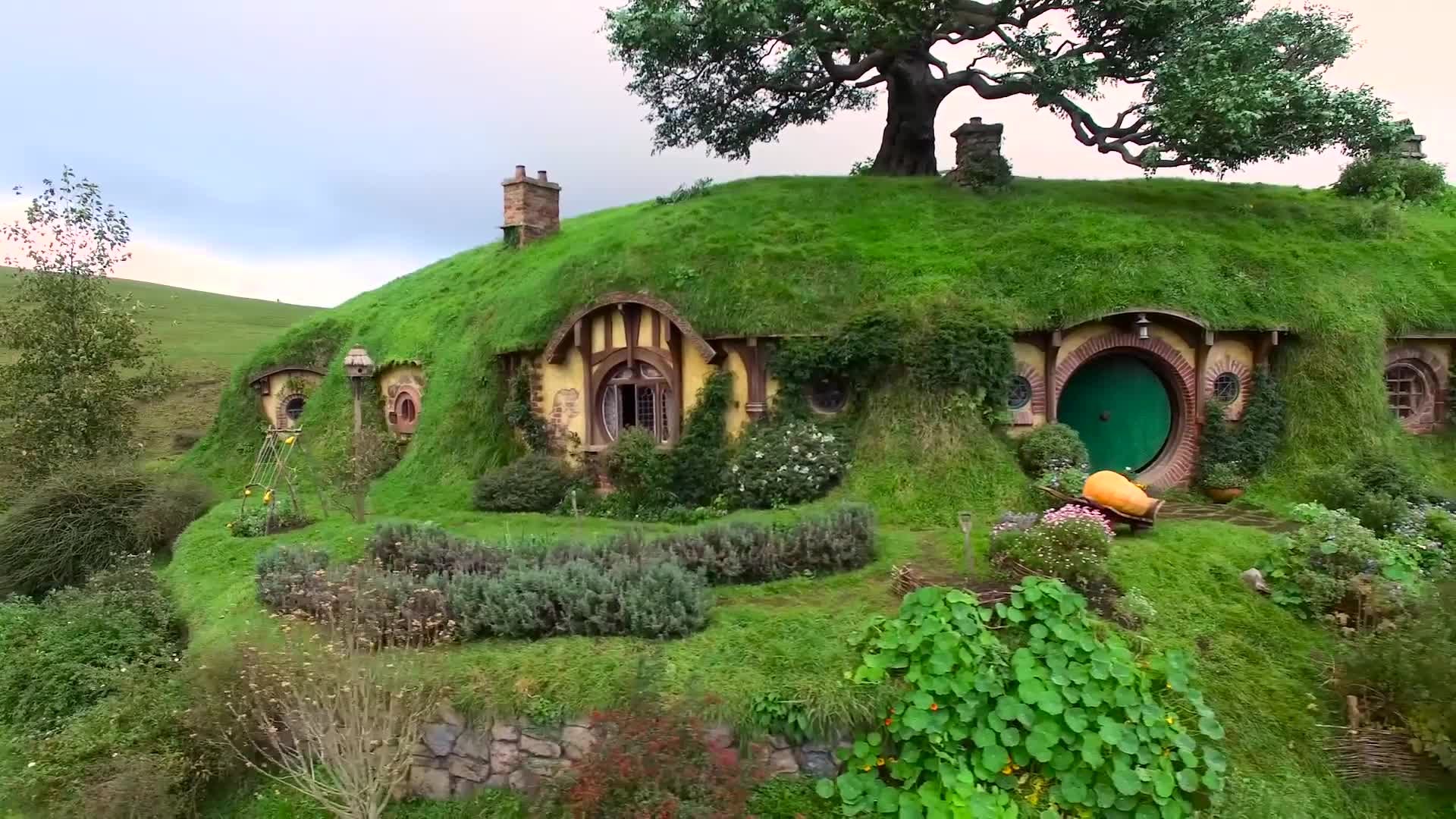
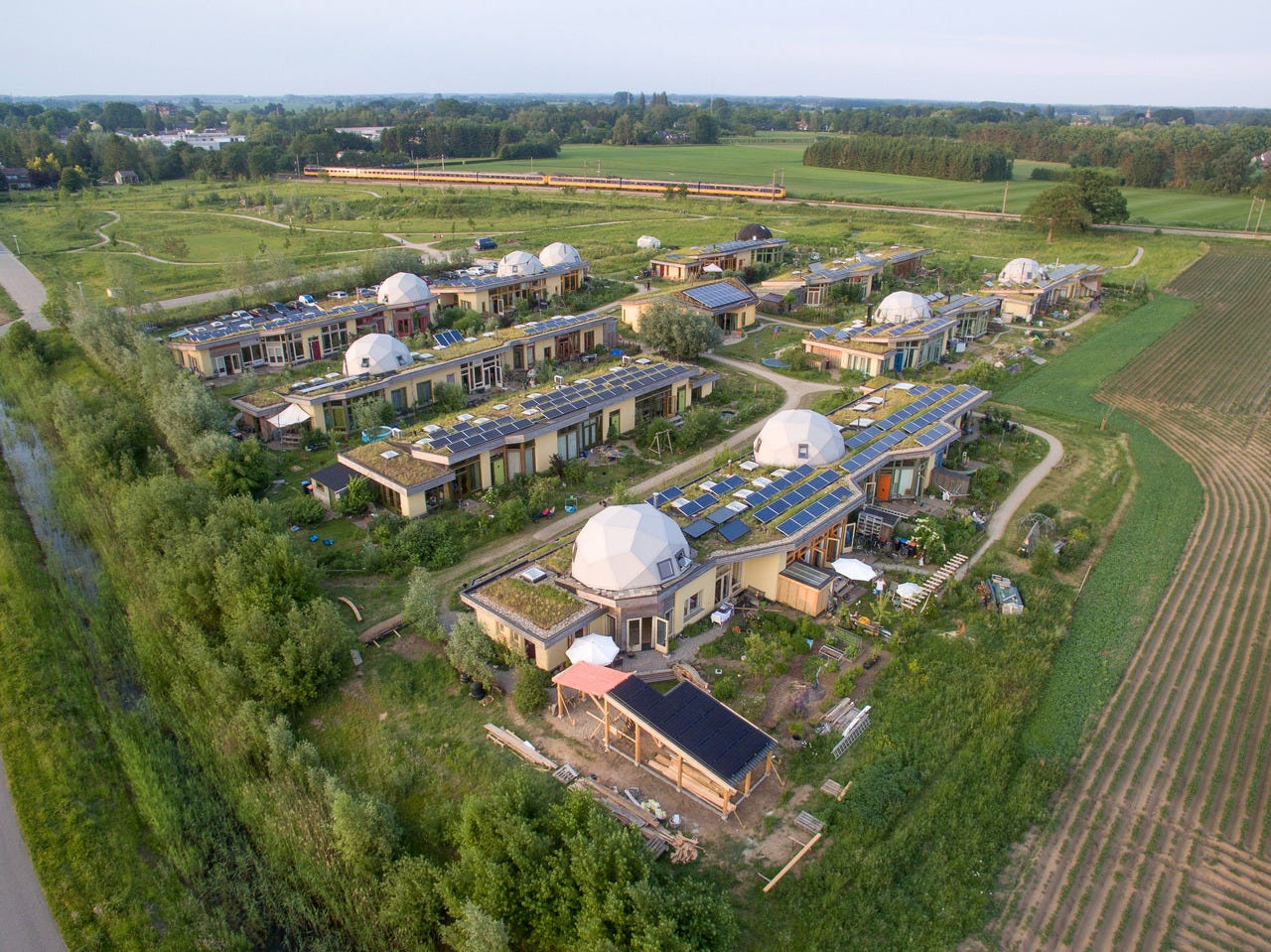
At the same time, I would like to see solarpunk visions that are in some sense attainable. Magic is literally fantasy. Technologies that allow us to integrate with nature are not, they are in the realm of the possible. For example, imagine if your train tube ran underwater through a regenerated harbour teeming with fish, seals, coral, etc.? No so far from what we are capable of today.
3. Politically naïve or mute: perhaps because of the need for a hero, too much solarpunk ultimately loses the ‘punk’ bit. It’s She-Ra and the princesses of power - a bit on the nose. Or it goes so hard on the punk that the scale of life and society shrinks to what is effectively a village (people often want to explore communism and communism only works with about 20 people). Or both, as in Wakanda. Solarpunk is about power and government on a scale comprehensible to people, and international organisations are not comprehensible. But here is precisely the vacuum that needs to be filled by imagination, because so many of our contemporary problems are international in scope. They cannot be solved by retreat to the local, despite what populists of the left and right would have us believe. Collective action is required, and at tremendous scale. And this is the new thing. We need solarpunk and cyberpunk to explore the role of technology because technology is an entirely new phenomenon - we have no myths for it. Nor do we have myths for international collaboration, because it is new for humanity to think beyond a village of a few hundred people. Our brains are not evolved for such thinking, but our cultural technologies, like art and story, allow us to reach beyond our biological comfort zone. How can global democratic governance be made comprehensible, palpable, and meaningful?
Mundane Solarpunk
I’m thinking about these 3 tropes and how to transcend them in a novel I worked on in my 20s but then shelved and have recently picked back up. But besides these big ticket items I’m also just thinking a lot about the everyday lived experience of solarpunk. What are people wearing? How do they commute to work? What possibilities are close to our technological horizon that would allow us to bring nature back into our lives in a powerful way. Some ideas:
Nature in the urban form:
This is something you’re seeing already in things like Singapore’s Gardens by the Bay - buildings that incorporate substantial gardens, use grey water to irrigate them, utilise engineered wood in place of steel beams; there are a few more examples in this article. Here is one I found myself while strolling around London, near Victoria station:
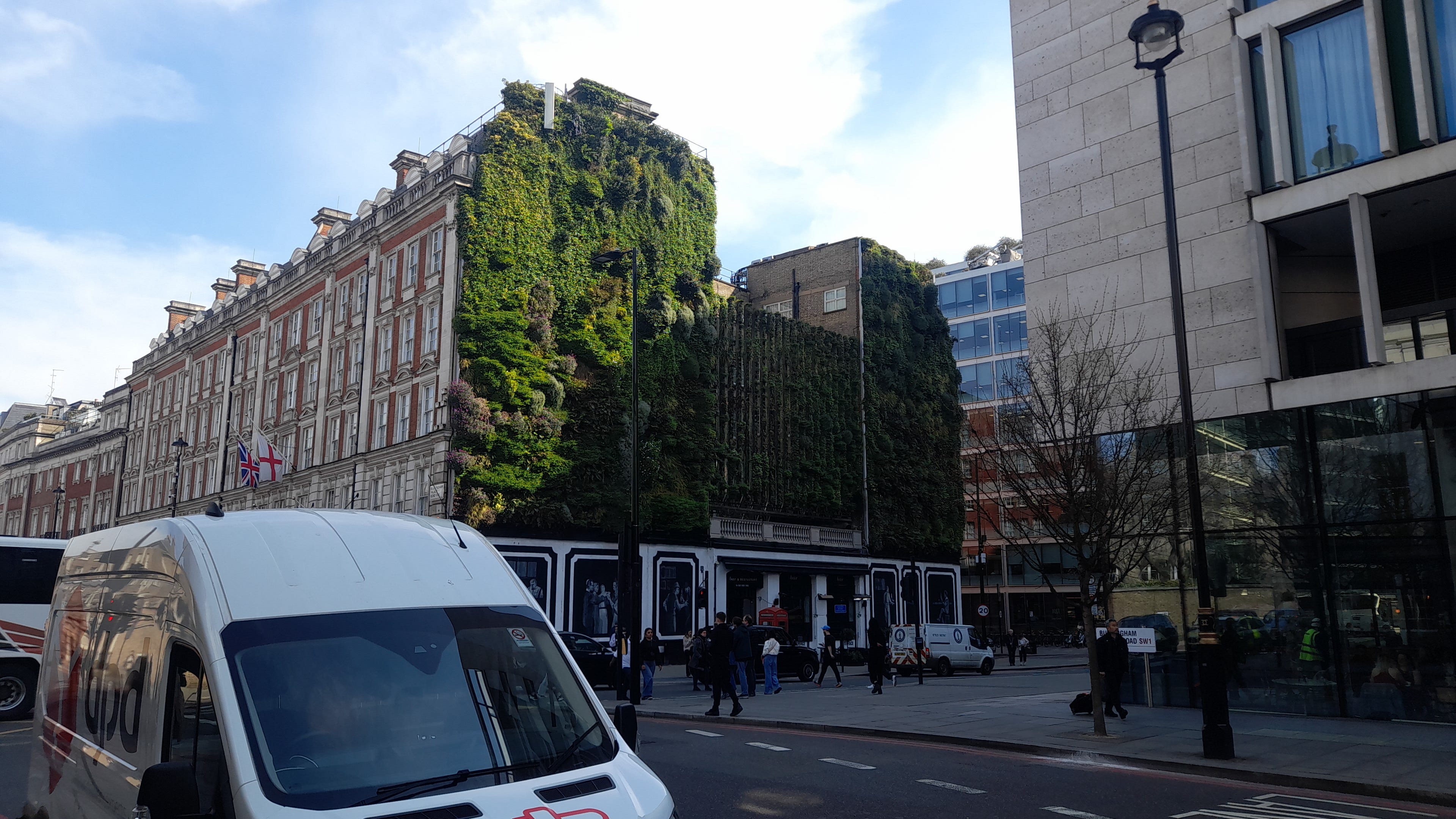
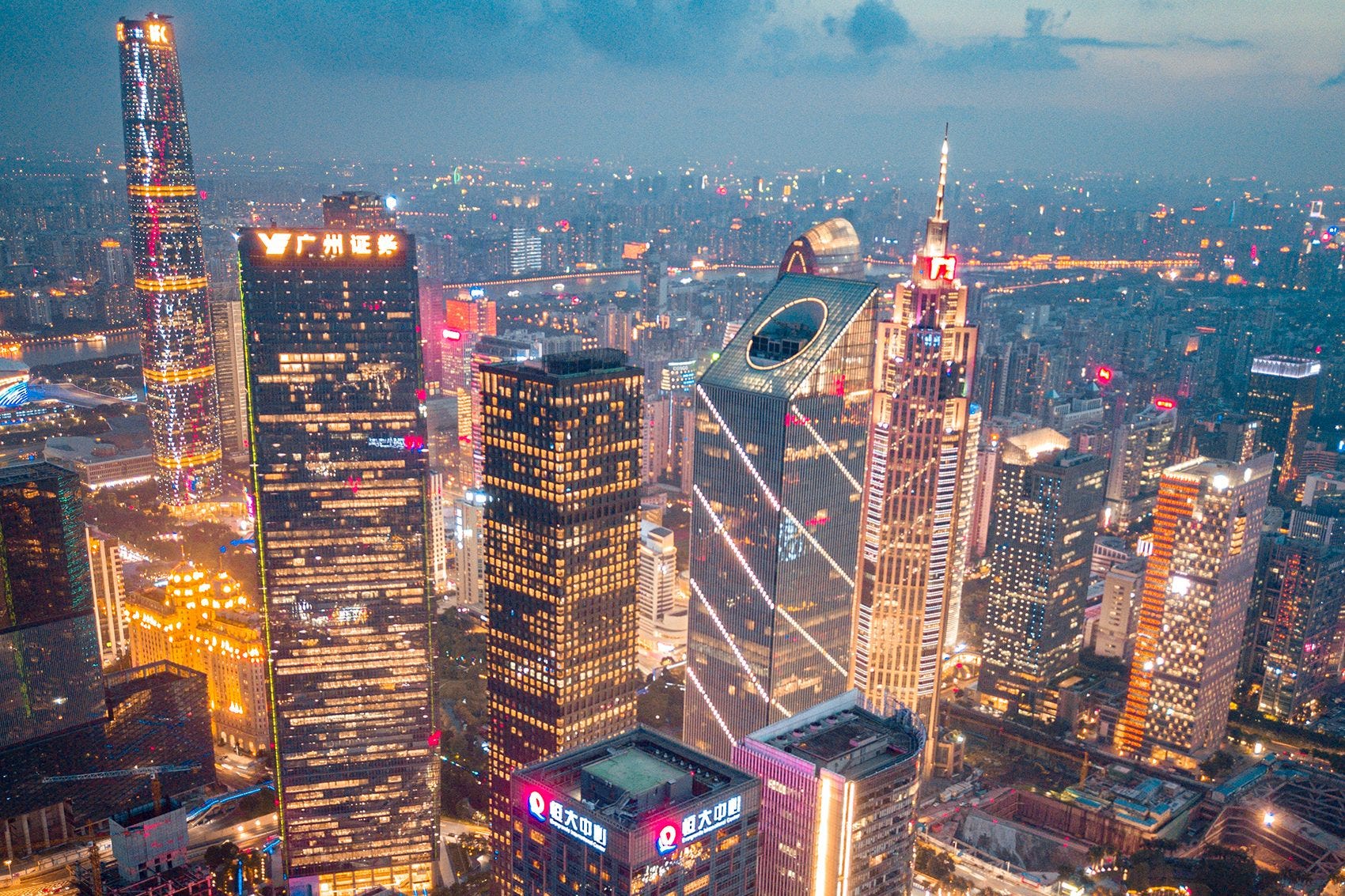
I don’t know how expensive this sort of thing is, but I could see it expanding dramatically over the rest of the century. In the future, I would like to see every possible square inch of space filled in this way. It would improve air quality, reduce the heat island effect of concrete cities, provide habitat for insects and birds, and generally make the world more beautiful and natural. It’s manicured where I would prefer nature in raw form, but it’s a huge improvement over the cyberpunk dystopias that we’re getting as cities attract massive populations and the demand for housing leads to the rapid expansion of skyscrapers. I recall a long taxi ride through Guangzhou before dawn and marvelling at how much I felt like I was in the Bladerunner universe. A chilling experience.
I suspect that greening the urban environment is not so expensive, it just takes a lot of attention. You need to consider environmental integration from the start of the design process. Residents need to spend time tending to plants, or at least paying a strata manager to garden constantly. While capitalism can manage this, it isn’t core to its logic. Capitalist development is mostly about dumping a rectangular block of flats down for buy-to-let investors who never want to set foot inside the apartments they own and therefore desire low maintenance above all. Residents are out grinding in the office all day, so they don’t want to come home and go participate in the block gardening group. Modern capitalism operates an attention economy, so slowing down to potter about in the garden doesn’t compute. A solarpunk society would do more collective ownership and development. It would also slow down so people have more time to steward and appreciate nature. Speaking of…
The Slow Commute Through Nature
Arguably the greatest commute to work in the whole world is being able to take one of the Sydney Ferries (year round really - the weather is always good in Sydney), especially from Watson’s Bay or Manly to the city. It’s diesel powered, but very much mass transit - there’s hundreds of people per boat. And you’re moving through a glorious green and blue space. While we should improve the water quality of the harbour, it’s still good enough to attract seals and even Dolphins on occasion. You ride past the botanical gardens with their enormous, centuries old Morton Bay fig trees. Life is good on the ferry, and nature usually feels in good shape. How could we get that experience for more people, and more deeply?
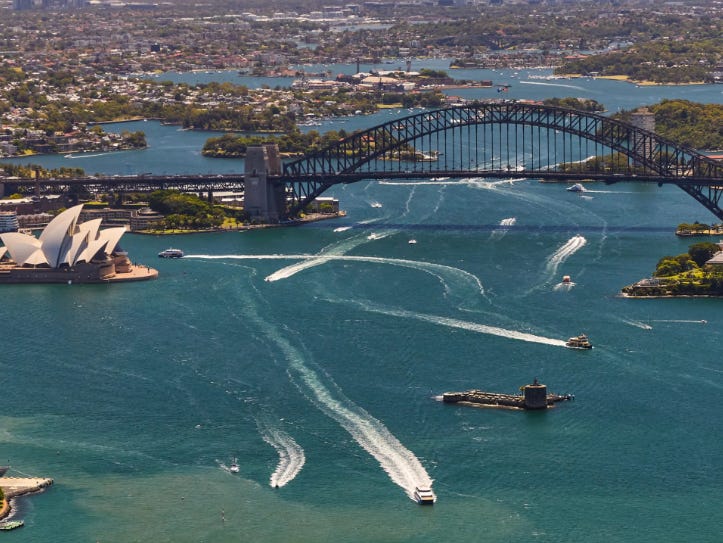
The Ferry is relatively slow compared to trains or even buses in many cases, but the experience makes it worth it. It’s the opposite of the London Tube - quick but unpleasant (dirty, loud, crowded, anti-social, pestilent). I think there are lessons in this. What if people kayaked to work down canals and urban rivers? This would be even more awesome if we cleaned them up and so fish, birds, and river plants returned to these ecosystems. It would be slow, but you’d stop to marvel at nature, like you do when you see coy fish in the ponds of Japanese temples. What if bike paths didn’t run alongside highways but instead took narrower paths through woods, marshes, and caves (like in Canberra)? You could listen to the birds instead of car horns.
Solarpunk Fashion
I hate plastic. Of course it has many uses, but it’s also toxic, immortal, kills wildlife, chokes waterways, and is mostly ugly. All my clothes are organic. The best materials are, perhaps surprisingly, organic. Merino Wool remains the apex of heat technology. Linen remains uncontested for breathability and sun protection. Quick dry products are only feasible for tennis players when you have a ball boy on hand to bring you a towel every 30 seconds. On the training courts, everyone is wearing cotton because it absorbs sweat rather than letting it drain onto your hands. What are sweatbands made out of? Cotton. Have you ever smelt quick dry a day after exercising in it? Wretched. Merino? Basically smells decent for a week. The only benefit of plastic seems to be in shape-wear, and I suspect that if we tried harder with latex and other rubber derivatives we could get there without creating a product that pollutes the world with microplastics every time you put your gym tights through the wash.
What might solarpunk fashions look like, beyond being made of organic materials? I don’t think they would be the bland drab of Star Trek uniforms. But I also don’t think they’d be the sorts of outrageous Met Gala dresses you see in Netflix’s The Exception (indeed, those look synthetic - see image below). I saw some cool solarpunk inspired designs in Paris recently - I posted them on my Instagram. They didn’t look very functional, which I think is not solarpunk in spirit, and I was concerned about the materials, but they were very elvish. It is interesting to see high end clothing turning in this direction.

I think solarpunk fashion is likely to be defined foremost by its practicality. Active modes of transportation require that. Solarpunk societies are also likely to be much less competitive and status oriented than our current capitalistic ones, and so solarpunk style is likely to be less gaudy, hauty, or showy than haute couture. Clothes will probably be easy to mend and well-made in the first place. Fast fashion will be passé, but staples will be common. Environmental themes might also be common, but I don’t think everyone will go around looking like an elf. People will express themselves through fashion, and because self-actualisation leads to a stable personality they won’t want to change their clothes every 12 months with trends. I’m not sure what expressing yourself as a fashionista will mean. I would anticipate subtler expressions of personal style, and the use of more sentimental pieces. There would be an economy of meaning in solarpunk societies, and pieces that carry meaning would be common. Wearing whatever is of the moment is basically meaningless. Thrift shopping and vintage would become even more common and pronounced than it is now, both for sustainability and because clothes better made and so last longer.
Do you have any thoughts on what a solarpunk society might look like? What technologies would help us to integrate with nature and work political with rather than against each other?